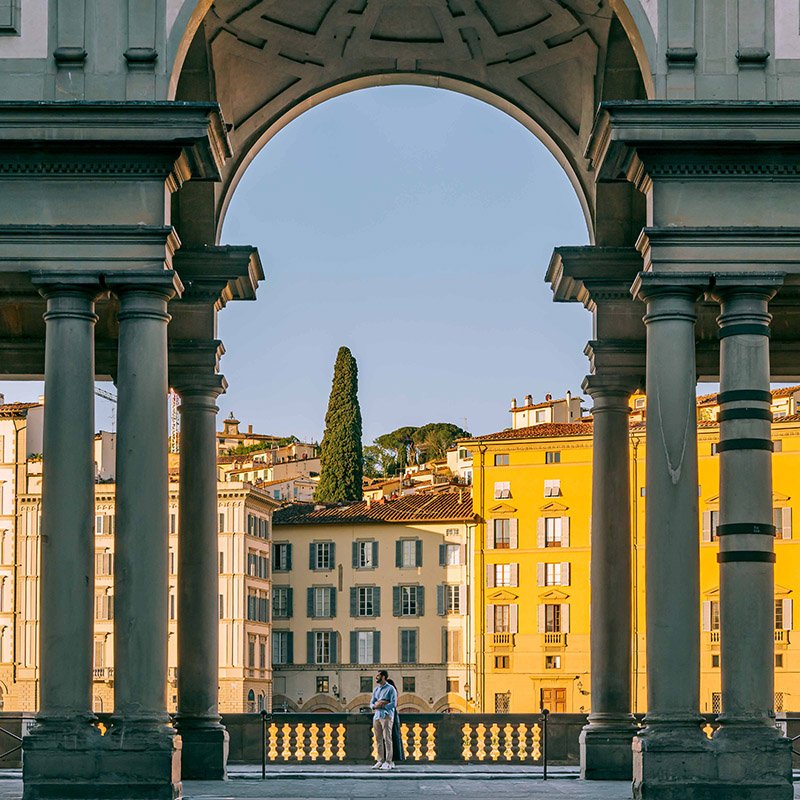
Imagine yourself on a winding Tuscan road, cypress trees standing sentinel, vineyards stretching to the horizon. As evening falls, a warm glow beckons from a modest doorway, promising the very essence of Italian hospitality. This is often your first encounter with a traditional Tuscan trattoria, a culinary cornerstone that keeps the region’s robust, rural cuisine not just alive, but thriving. These are more than just eating establishments; they're cultural touchstones, family legacies, and vibrant testaments to a food philosophy born from the land itself.
At a Glance: What Makes a Tuscan Trattoria Special
- Family-Run Heart: Most trattorias are multi-generational affairs, serving recipes honed over decades.
- "Cucina Povera" Roots: Expect hearty, unpretentious, seasonal dishes, often utilizing humble ingredients.
- Authentic Flavors: Focus on local produce, regional specialties, and age-old cooking techniques.
- Atmosphere: Casual, welcoming, and lively – a place for good food and good company, not white tablecloths.
- Value: Generally more affordable than high-end ristoranti, offering substantial portions.
The Soul of Tuscany: Understanding "La Cucina Povera"
To truly appreciate a Tuscan trattoria, you must first understand "La Cucina Povera"—'poor cooking' or 'peasant cuisine.' Far from a pejorative term, it's a badge of honor, representing centuries of resourcefulness and a profound respect for ingredients. Born from necessity in a region historically reliant on subsistence farming, this culinary philosophy champions seasonality, local produce, and the ingenious use of every part of an animal or plant.
Think less about elaborate presentations and more about deep, comforting flavors. This is where offal like lampredotto (tripe from the fourth stomach of a cow) and fegatini (chicken liver pâté) shine, transformed into delicacies. Pulses and legumes, such as cannellini beans and chickpeas, form the backbone of many dishes, providing sustenance and texture. Vegetables are king, picked at their peak, and often cooked simply to highlight their natural sweetness and earthiness. This commitment to fresh, local fare ensures that every bite tells a story of the Tuscan landscape.
Beyond the Plate: What Defines a Trattoria?
In Italy, the dining hierarchy can be a little confusing. A ristorante is typically the most formal, often with a more refined menu and higher prices. An osteria historically offered simpler fare, often just wine and snacks, though many have evolved into full-fledged eateries. The trattoria, however, sits comfortably in the middle – a sweet spot offering authentic, age-old Tuscan dishes in a more substantial setting than an osteria, yet less formal than a ristorante.
Crucially, a traditional trattoria is almost always family-run. This isn't just a marketing slogan; it means the passion, the recipes, and the very identity of the place are passed down through generations. You might find nonna in the kitchen, a son serving tables, and a daughter managing the wine list. This intimate connection fosters a genuine warmth and hospitality that makes dining feel less like a transaction and more like joining a family meal. You're not just a customer; you're a guest.
Spotting the Real Deal: How to Choose Your Tuscan Trattoria
With so many eateries vying for attention, especially in popular tourist areas, how do you distinguish a truly authentic trattoria from a convenient stop? It comes down to a few key indicators:
- Look for the Locals: A trattoria packed with Italian families, especially during lunch on a Sunday, is a strong sign of authenticity. Locals know where the good food is.
- The Menu Tells a Story: Is it short, seasonal, and perhaps even handwritten? This suggests a focus on fresh ingredients and daily specials. A sprawling, multi-page menu translated into six languages might indicate a tourist trap. Look for piatti del giorno (dishes of the day).
- Specialization: Do they excel at a few specific dishes rather than offering everything under the Tuscan sun? Mastery over a concise selection is a hallmark of quality.
- No Frills: Traditional trattorias prioritize food and atmosphere over fancy decor. Expect simple furnishings, perhaps red-and-white checkered tablecloths, and a lively, sometimes noisy, ambiance.
- The Smell: Step inside. Does it smell of garlic, simmering ragù, and good olive oil? Your nose knows.
A Taste of Tradition: Iconic Tuscan Dishes You Must Try
Venturing into a traditional trattoria means embarking on a culinary journey through Tuscany's rich history. Here are some indispensable dishes that embody the spirit of cucina povera:
- Bistecca Fiorentina: This iconic Florentine steak, with origins around the 1500s, is a thick-cut, high-quality Chianina beef T-bone, grilled rare over coals, simply seasoned with salt and pepper. It's meant for sharing and is a truly unforgettable Authentic Florentine steak experience.
- Peposo: A robust beef and peppercorn stew, peposo was invented in the 1400s by kiln workers in Impruneta, near Florence. Slow-cooked until incredibly tender, usually with Chianti wine, it’s a dish of profound flavor.
- Ribollita: Meaning "reboiled," this hearty vegetable and bread soup is the ultimate cucina povera dish. Stale bread, cannellini beans, cabbage, kale, and other seasonal vegetables are simmered and then often reheated, thickening into a wonderfully comforting stew. For many, finding the Best local ribollita in Florence is a pilgrimage in itself.
- Pappa al Pomodoro: Another bread-based soup, this one features ripe tomatoes, garlic, basil, and plenty of good quality extra virgin olive oil, creating a rich, flavorful porridge.
- Crostini Toscani: Toasted bread topped with various spreads, most famously fegato (chicken liver pâté), but also lardo (cured pork fat) or simple tomato.
- Wild Boar (Cinghiale): Often served as a rich ragù with tagliatelle or pappardelle, or as a stew (cinghiale in umido), wild boar is a regional specialty, especially in the countryside.
- Offal Dishes: Don't shy away! Tripe (trippa alla Fiorentina or lampredotto) is a staple, often served with a vibrant green sauce (salsa verde).
- Seasonal Pasta: Look for fresh pasta, often handmade, served with simple sauces that highlight seasonal ingredients like porcini mushrooms in autumn, or asparagus and courgette flowers in spring.
Journey Through Tuscany's Best Traditional Trattorias
From the bustling streets of Florence to the tranquil Chianti hills and the vibrant coast, Tuscany offers a trattoria for every taste. These establishments, often passed down through generations, are living museums of regional cuisine.
Florence: Urban Gems with Rustic Hearts
Florence, the Renaissance city, still beats with a traditional culinary pulse. Its trattorias are guardians of Florentine and Tuscan flavors, many nestled in historic neighborhoods.
- Trattoria Diladdarno (Florence): Tucked away in the Oltrarno district at Via dei Serragli, 108R, this trattoria, established in the 1930s, is a must-visit for traditional Florentine and Tuscan cuisine. With its unexpectedly large, colorful room, it serves dishes made with fresh Italian meats, seasonal vegetables, and homemade focaccia, all drizzled with local extra virgin olive oil. For those looking to Explore Oltrarno's best traditional trattorias, Diladdarno is a prime example.
- Vini e Vecchi Sapori (Florence): Despite its touristy location near Piazza della Signoria (Via dei Magazzini, 3r), this gem offers simple yet exquisite food. The interior, adorned with wine bottles and old photos, sets the scene for thick tagliatelle with slow-cooked duck ragù, tripe, grilled lamb cutlets, and seasonal saffron and courgette flower pasta. Don't miss their raspberry tiramisu!
- Trattoria Cibrèo (Florence): Founded by Fabio Picchi in 1979 in the Sant’Ambrogio market quarter (Via Andrea del Verrocchio, 8r), Cibrèo champions fresh produce directly from the nearby market. Dishes like summer tomatoes as a gelatina with olive oil, or spring globe artichokes 'alla mamma,' showcase a refined take on Tuscan countryside traditions.
- Trattoria Cammillo (Florence): An iconic, family-run establishment on Borgo San Jacopo 57r, Cammillo has been delighting diners since 1945. Now run by Cammillo's granddaughter, Chiara, it retains its traditional charm with multiple small dining rooms. Known for outstanding daily specials like fried courgette flowers, handmade tagliatelle with porcini mushrooms, and baccalà alla Livornese.
Countryside: Where Tradition Reigns Supreme
Venture out of the city and discover trattorias deeply intertwined with their rural surroundings, often specializing in game, local produce, or cured meats.
- Da Delfina (Artimino): Less than an hour from Florence (Via della Chiesa, 1, Artimino), this classic Sunday lunch spot is set in a crumbling Medici-era villa with picturesque views. Owner Carlo Cioni continues his mother Delfina's "cucina povera" traditions with a short, meat-heavy menu featuring rabbit, wild boar, and legendary rice pudding with orange marmalade. Enjoy terrace dining in warmer months or a cozy fire in winter.
- Antica Macelleria Cecchini (Panzano in Chianti): Famous from Netflix's Chef’s Table, this butchers-meets-restaurant (Via XX Luglio, 11, Panzano) is owned by eighth-generation butcher Dario Cecchini. It's a celebration of Tuscan beef and nose-to-tail cooking, offering an aperitivo in the butcher shop before communal dining with various cuts of beef and bottomless house Chianti.
- L’Osteria di Casa Chianti (Certaldo): In the hills outside Certaldo (Via Lucardese, 82), this old-school, family-run establishment bakes bread daily in a wood oven and makes pasta by hand, drizzled with their own olive oil. A selection of Tuscan wines completes the authentic experience.
- Mangiando Mangiando (Greve in Chianti): Located in the central piazza of Greve in Chianti (Piazza Giacomo Matteotti, 80), this laid-back trattoria serves hearty meals. Expect generous platters of cured meats and crostini, excellent pasta dishes, and rich peposo cooked in Chianti Classico wine.
- Trattoria La Casa del Prosciutto (Vicchio): As its name suggests, this trattoria in the Mugello hills northeast of Florence (Via Ponte a Vicchio, 1) specializes in cured meats, particularly prosciutto. But don't overlook their great pasta dishes and wines from small local producers, all enjoyed within wood-clad walls and amidst red chequered tablecloths.
Coastal & Seafood: A Different Kind of Cucina Povera
Tuscany's coast offers a distinct regional cuisine, where the "poor cooking" philosophy applies to the freshest daily catch rather than just land-based ingredients.
- Antica Venezia (Livorno): Tucked away by Livorno's canals (Piazza Dei Domenicani 15), this family-run trattoria offers classic Tuscan dishes with a strong seafood influence. Specialties include fritti misti (deep-fried seafood assortment), spaghetti alla vongole, and Livorno’s signature baccalà alla Livornese (salted cod). The menu changes daily with the catch.
- La Capanna dello Zio Tom (Castiglioncello): A seasonal trattoria, erected each spring just meters from the beach (Via del, Lungomare del Quercetano 1/c, Castiglioncello). It's an al fresco experience offering fresh fritti di mare and seafood pasta with hearty portions, unpretentious service, and paper tablecloths – the epitome of homely seaside cooking.
- Teatro del Mare (Piombino): In the historic harbor of Piombino (Piazza Giovanni Bovio 5), this "theatre of the sea" focuses entirely on the market catch of the day. Expect giant langoustine, cod, mackerel, and anchovies, with prices reflecting the daily market, all with views of the boats.
New Horizons on Old Traditions: Innovative Trattorias
Some establishments honor the spirit of cucina povera while pushing culinary boundaries with modern techniques and sustainable practices.
- Arduino Osteria Ancestrale (Castagneto Carducci): In the hills near Bolgheri (loc. Magazzino, Castagneto Carducci), this farm-to-table osteria, run by Fabrizio and Martina, offers regenerative, contemporary Tuscan cooking. Primarily vegetarian and cooked over fire, it utilizes produce from their 8-hectare organic farm in innovative ways, turning figs, onions, tomatoes, and beetroot into surprising delights.
- La Bottega di Elena (Bolgheri): Within the medieval walled village of Bolgheri (Strada Giulia, 2), this casual spot in prime wine country serves hyper-regional dishes. Highlights include giant platters of crostini (with fegato/liver pâté and lardo), artisanal cheeses, cold cuts, pici with ragù, Livornese-style tripe, and giant chickpeas with anchovies drowned in olive oil.
Navigating the Menu Like a Local
When dining in a traditional trattoria, understanding the flow of an Italian meal can enhance your experience:
- Antipasti: Starters like crostini misti, platters of cured meats (affettati misti), or fried vegetables.
- Primi Piatti: The first course, usually pasta (often handmade), risotto, or a hearty soup like ribollita or pappa al pomodoro.
- Secondi Piatti: The main course, typically meat or fish. This is where you'll find Bistecca Fiorentina, various roasted meats, stews, or the day's fresh catch by the coast.
- Contorni: Side dishes, always ordered separately, such as roasted potatoes (patate al forno), seasonal greens (spinaci or cicoria), or cannellini beans (fagioli all’uccelletto).
- Dolci: Dessert! Classic choices include cantucci (almond biscuits) with vin santo (dessert wine), tiramisu, or a simple fruit tart.
- Caffè & Digestivo: An espresso to finish, perhaps followed by a grappa or limoncello to aid digestion.
Don't be afraid to ask for recommendations – the staff will often proudly guide you through the day's specials and explain local dishes.
Pitfalls to Avoid for an Authentic Experience
To truly savor the trattoria experience, sidestep these common tourist traps:
- Ignoring Seasonality: Asking for asparagus in winter or porcini in summer is a dead giveaway you're not attuned to local traditions. Embrace what's fresh!
- Expecting Fast Food: This is Italy. Meals are meant to be savored, not rushed. Pace yourself, enjoy the company, and let the kitchen work its magic.
- Ordering Pizza: While delicious, pizza is rarely the star of a traditional Tuscan trattoria. Head to a dedicated pizzeria for that. Focus on the local specialties.
- Over-ordering: Portions can be generous, especially in the countryside. It's perfectly acceptable to share antipasti and primi to save room for the main event.
- Fearing Offal: Many traditional Tuscan dishes use less common cuts of meat. Be adventurous ��� you might discover a new favorite!
More Than a Meal: The Enduring Legacy of the Trattoria
Traditional Tuscan trattorias are far more than places to simply eat. They are vital custodians of culinary heritage, preserving recipes that tell stories of hardship, ingenuity, and profound respect for the land. In an increasingly globalized world, these family-run establishments stand as beacons of authenticity, offering a direct link to Tuscany's past.
Dining in a trattoria is an immersive cultural experience. It's about the lively chatter of families, the clinking of glasses, the aroma of slow-cooked ragù, and the feeling of being welcomed into a tradition that dates back centuries. It's where the rich tapestry of Tuscan life unfolds, one delicious, unpretentious plate at a time. So, next time you find yourself under the Tuscan sun, seek out that unassuming doorway. You won't just find a meal; you'll discover the very heart of Tuscany.