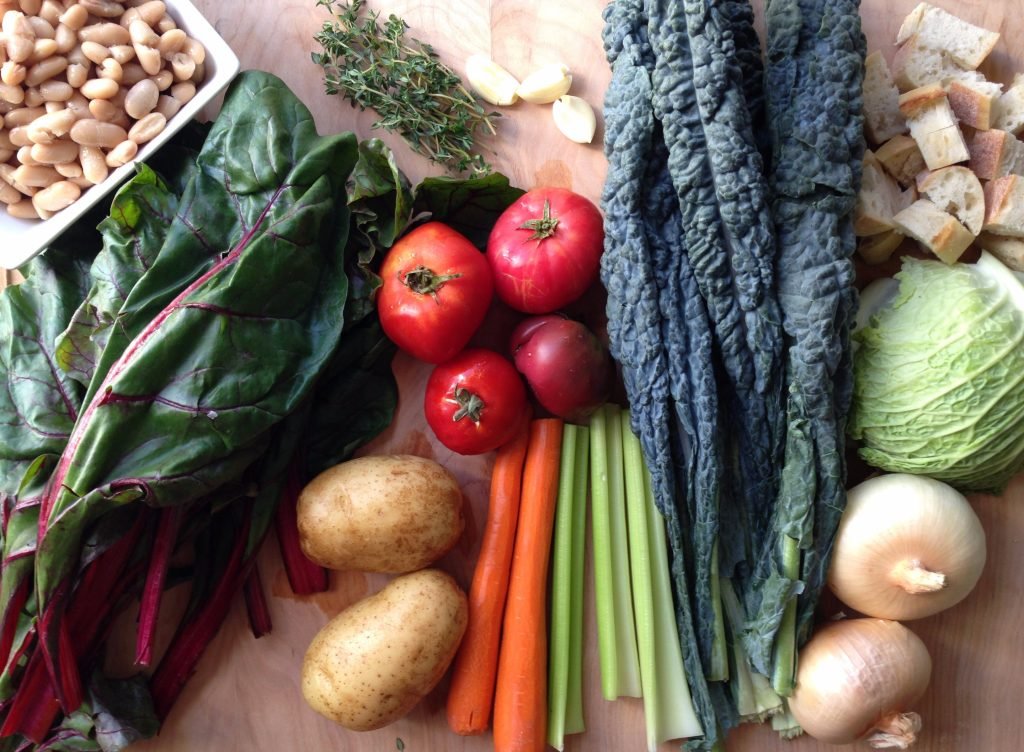
Landing in Florence, you'll inevitably be drawn to the iconic sights, but for a true taste of the city, your compass should point to its culinary heart. Specifically, you're looking for where to eat Ribollita Florence like a local—a quest that promises much more than just a meal. This isn't just about finding a restaurant; it's about connecting with a timeless tradition, a hearty bread soup that defines cucina povera and speaks volumes about Tuscan resilience and flavor.
At a Glance: Your Ribollita Roadmap
- Understanding the Dish: Ribollita is a thick, substantial bread and vegetable soup, meant to be eaten with a fork. It thrives on stale Tuscan bread, cavolo nero, and cannellini beans.
- The "Reborn" Flavor: It's famous for tasting even better the day after it's cooked, a hallmark of traditional preparation.
- Seasonality is Key: Best enjoyed in autumn and winter when cavolo nero is at its peak.
- Top Local Spots: Discover authentic trattorias and markets where locals savor this Florentine staple.
- Pairing Perfection: Learn which Tuscan wines best complement its rustic profile.
- Avoiding Tourist Traps: How to spot genuine Ribollita from imitations.
Ribollita's Soul: More Than Just Soup
Ribollita isn't merely a dish; it's a narrative woven from necessity, tradition, and exquisite flavor. At its core, it's a "reboiled" soup – a practice from the Middle Ages when peasants would layer leftover bread with vegetable broth, then reheat it the next day. This reboiling process doesn't just warm the soup; it deepens the flavors, transforming simple ingredients into something profoundly complex and satisfying. Florentines will tell you it's "reborn" in reheating, a testament to its enduring appeal.
The essential components tell their own story. Tuscan kale (cavolo nero) is non-negotiable, providing a slightly bitter, earthy counterpoint to the sweetness of carrots, onions, and celery. Cannellini beans add creamy texture and protein. But perhaps most distinctive is the stale Tuscan bread, traditionally unsalted (pane sciocco). This lack of salt in the bread is not an oversight; it's a historical quirk, dating back to a rivalry between Florence and Pisa that saw salt deliveries blocked. In Ribollita, this unsalted bread is crucial, soaking up the rich broth without overwhelming the delicate balance of vegetable flavors.
The Florentine Flavor Compass: Spotting Authentic Ribollita
When seeking genuine Ribollita, you're looking for specific cues that signal authenticity. First, texture is paramount. It should be thick, almost stew-like, substantial enough that your spoon stands firm within it. If it's thin or watery, it's likely not the real deal. Second, observe the color and ingredients: a dark, rich green hue from the cavolo nero, visible chunks of vegetables and bread, and a comforting, rustic appearance. It shouldn't look overly refined or uniform.
Finally, the aroma: a deeply savory, earthy scent hinting at long-simmered vegetables and the subtle tang of good olive oil. True Ribollita embodies cucina povera—it’s humble yet deeply satisfying, a true comfort food that reflects the heart of Tuscan cooking. It’s a dish that began in necessity but has ascended to celebrated status, gracing tables from simple trattorias to Michelin-starred establishments.
Top Florentine Haunts for True Ribollita
Finding the best Ribollita means venturing into places locals frequent. These establishments have mastered the art of this ancient dish, honoring its heritage with every bowl.
Trattoria Mario: The Unassuming Legend
Nestled near the bustling San Lorenzo Market, Trattoria Mario is a Florentine institution. Don't expect white tablecloths or reservations; this is a no-frills, communal dining experience where you might share a table with strangers. Their Ribollita is legendary: thick, hearty, and intensely flavorful, made with a reverence for tradition. It’s the kind of place where the menu changes daily based on fresh ingredients, but if Ribollita is on, it's a must-order. The atmosphere is boisterous, the service is swift, and the food speaks for itself. Arrive early or be prepared to queue, especially for lunch.
Trattoria La Casalinga: Santo Spirito's Beloved Classic
Just across the Arno, in the Oltrarno district near Piazza Santo Spirito, Trattoria La Casalinga offers another exceptional Ribollita. This family-run establishment feels like stepping into a Florentine home kitchen. Their version is consistently praised for its robust flavor and perfect consistency, showcasing the deep, slow-cooked goodness that defines the dish. It's a slightly more relaxed setting than Mario's, but still very much a local favorite, known for generous portions and fair prices. It’s an ideal spot for a leisurely lunch or dinner after exploring the artisanal workshops of Oltrarno.
Mercato Centrale: A Modern Take on Tradition
For a more casual, vibrant experience, head to the Mercato Centrale. While it's a large, modern food hall, several vendors on the upper floor specialize in traditional Tuscan fare, including excellent Ribollita. This is a fantastic option if you're looking for a quick, high-quality bowl without the wait of a traditional trattoria. You can grab a steaming portion alongside other Tuscan classics and enjoy it at one of the communal tables. It’s particularly convenient for sampling a variety of dishes, and the quality of the Ribollita here often surprises first-time visitors expecting a "food court" experience.
Trattoria Ruggero: Rustic Charm Near Boboli
A bit further out from the city center, near the majestic Boboli Gardens and Palazzo Pitti, Trattoria Ruggero is a charming, rustic spot cherished by locals. Their menu reliably features Ribollita, prepared with the traditional touch that ensures its deep, satisfying character. It's an excellent choice if you're exploring the Oltrarno's quieter streets and want to immerse yourself in a truly local dining atmosphere. The focus here is on classic, unfussy Tuscan dishes executed perfectly, and their Ribollita is a prime example of their commitment to authenticity.
Pairing Your Bowl: The Perfect Tuscan Companion
A truly authentic Ribollita experience isn't complete without the right beverage. Given its hearty, earthy profile, Ribollita pairs beautifully with a robust Tuscan red wine.
- Chianti: This classic choice is always a winner. Its dry, savory notes and moderate tannins complement the sweetness of the vegetables and the rich texture of the bread without overpowering it. A young Chianti Classico, with its bright cherry and earthy undertones, creates a harmonious balance.
- Morellino di Scansano: Hailing from the Maremma region, this Sangiovese-based wine offers a fruitier, softer profile than some Chiantis, often with hints of wild berries and herbs. Its approachable tannins and medium body make it a delightful match for the comforting depth of Ribollita, especially if you prefer a slightly smoother red.
For those preferring non-alcoholic options, a glass of sparkling water with a slice of lemon can cleanse the palate between spoonfuls, allowing the complex flavors of the soup to shine.
Ribollita Seasonality: When to Go
While some establishments might offer Ribollita year-round, its true home is in the cooler months, from autumn through winter. This is when cavolo nero is in season, providing its best flavor and texture. Eating Ribollita on a crisp Florentine evening or a chilly afternoon truly brings out its comforting qualities. If you visit in spring or summer, you might find a lighter version or it might not be on the menu at all. Embrace the seasonal rhythms of Florentine cuisine for the most authentic experience.
For a deeper dive into the broader landscape of traditional Italian dining and how these unique dishes fit into the larger culinary traditions, you might want to Discover Traditional Tuscan Trattorias. Understanding the context of these family-run eateries further illuminates the enduring appeal of dishes like Ribollita.
Ordering Like a Local: Tips for a First-Timer
When you find your chosen spot, here’s how to navigate your Ribollita order:
- Look for "Zuppa di Pane" or "Ribollita": These are the common terms. Sometimes, it might just be listed as "Zuppa" with a description, so ask if unsure.
- Don't Ask for Cheese: Unlike some Italian soups, Ribollita is traditionally not served with grated Parmesan. Its flavors are meant to stand on their own. If it’s offered, it’s a sign the establishment might be catering to non-local tastes.
- Expect a Fork: Remember, this is a substantial dish. Don't be surprised if you find yourself reaching for a fork more often than a spoon.
- Embrace the Simplicity: Ribollita is humble food. Appreciate its rustic charm and the quality of its simple, well-prepared ingredients.
Common Pitfalls to Avoid: Tourist Traps vs. Authentic Gems
The quest for authentic Ribollita can sometimes lead to disappointments if you're not careful. Here's what to watch out for:
- "Tourist Menus": If a restaurant has a prominent "Tourist Menu" sign or a laminated menu with multiple languages and pictures outside, proceed with caution. These places often prioritize quick turnover over quality.
- Central Location Alone: Proximity to major attractions (Duomo, Ponte Vecchio) doesn't guarantee authenticity. While Mercato Centrale offers good options, many street-level restaurants directly in tourist hotspots might serve a diluted version.
- Thin Consistency: As mentioned, a watery or thin Ribollita is a major red flag. It should be thick and chunky.
- Lack of Cavolo Nero: If the soup lacks the distinctive dark green kale or uses generic cabbage instead, it's not truly Ribollita.
Always check online reviews (especially from local sources) and observe where Florentines themselves are dining. A trattoria bustling with local chatter is usually a good sign.
Quick Answers: Your Ribollita FAQs
- Q: Is Ribollita vegetarian?
- A: Yes, traditionally Ribollita is a vegetarian dish, relying solely on vegetables, beans, bread, and broth. It was often prepared on Fridays when meat was avoided for religious reasons.
- Q: Can I eat Ribollita year-round in Florence?
- A: While some places might offer it, Ribollita is best and most authentically enjoyed in autumn and winter when its key ingredient, cavolo nero (Tuscan kale), is in season.
- Q: What's the difference between Ribollita and other vegetable soups?
- A: Ribollita's distinct characteristics are its use of stale Tuscan bread (which thickens it significantly), cavolo nero, and the "reboiling" process that deepens its flavor. It's much thicker and more substantial than a typical minestrone or vegetable broth.
- Q: Why is Tuscan bread unsalted?
- A: This tradition dates back to the Middle Ages, stemming from an ancient rivalry between Florence and Pisa, which led to salt blockades. Florentines adapted, creating unsalted bread, which pairs perfectly with their flavorful, often salty cured meats and cheeses, and absorbs the rich flavors of dishes like Ribollita without competition.
Your Florentine Ribollita Quest
Your journey to truly experience Florence isn't complete without savoring its quintessential Ribollita. This hearty bread soup is more than just a meal; it's a taste of history, a lesson in cucina povera, and a comforting embrace of Tuscan tradition. By knowing what to look for, understanding its history, and heading to the right local spots, you’ll not only find where to eat Ribollita Florence like a local, but you'll also carry a piece of Florence’s soul with you. Seek out those bustling, unpretentious trattorias, order a bowl, and let the flavors of centuries past wash over you.